Printer ink ranks among the most expensive liquids on the planet, costing between $2,700 and $4,500 per gallon in 2026. This makes it pricier than premium champagne, human blood, and even some crude oil grades. The expense stems from a calculated business model where printer manufacturers sell devices at minimal profit margins while generating revenue through proprietary ink cartridges. Understanding this pricing structure and the technology behind it helps consumers make smarter purchasing decisions and significantly reduce their printing costs.
The Razor Blade Business Model Explained
Printer manufacturers employ the classic razor blade business model, a strategy perfected over decades in the printing industry. Companies like HP, Canon, Epson, and Brother sell printers at or below manufacturing cost, sometimes losing money on each device sold. In 2026, a basic inkjet printer retails for $30 to $80, yet contains components, circuitry, and mechanical systems worth considerably more. The business strategy relies on recouping these losses through replacement ink cartridges that consumers must purchase repeatedly throughout the printer’s lifespan.
This model creates a captive market where customers commit to an ongoing relationship with the manufacturer. Once someone purchases a specific printer brand, they become locked into buying compatible ink cartridges for years. A typical household in the United States spends between $300 and $800 annually on printer ink, depending on usage patterns. This recurring revenue stream provides manufacturers with predictable income far exceeding the one-time printer sale. The strategy proves so profitable that ink cartridge sales generate approximately 60 to 70 percent of total revenue for major printer companies in 2026.
Proprietary Technology and Intellectual Property Protection
Printer manufacturers invest heavily in proprietary technology to maintain control over the replacement cartridge market. Each brand develops unique chip technology, cartridge designs, and ink formulations protected by extensive patent portfolios. These smart chips communicate with the printer to verify cartridge authenticity, monitor ink levels, and sometimes prevent the use of refilled or third-party alternatives. In 2026, companies like HP and Epson continue expanding their intellectual property protections, making it increasingly difficult for competitors to produce compatible alternatives without legal challenges.
The ink formulation itself represents years of research and development. Modern printer inks contain complex chemical compositions designed to deliver precise color accuracy, fast drying times, water resistance, and UV stability. These formulations include pigments or dyes, solvents, resins, surfactants, and proprietary additives that prevent clogging and extend printhead life. While the raw material cost per cartridge ranges from $0.50 to $2.00, manufacturers justify higher retail prices by citing research expenses, quality control standards, and the specialized engineering required to produce consistent results across millions of pages printed worldwide.
Actual Manufacturing Costs Versus Retail Prices
The disconnect between manufacturing costs and retail prices reveals the true economics of the printer ink industry. Independent analyses in 2026 show that the actual ink inside a standard cartridge costs between $0.23 and $0.50 to produce, including raw materials and manufacturing processes. The plastic cartridge housing, chip technology, and packaging add another $1.50 to $3.00 per unit. Yet these same cartridges retail for $15 to $60 each in the United States market, representing markup percentages ranging from 300 to 6,000 percent depending on the specific product and brand.
This pricing structure makes printer ink substantially more expensive per volume than luxury items and rare commodities. At retail prices, printer ink costs approximately $75 to $120 per ounce in 2026, compared to gold at roughly $60 per ounce, premium perfume at $30 to $90 per ounce, and top-shelf tequila at $2 to $8 per ounce. A gallon of branded printer ink would theoretically cost between $9,600 and $15,360 based on per-cartridge pricing, though manufacturers never sell ink in such quantities to consumers. These comparisons highlight how the controlled market and captive customer base enable pricing that bears little relationship to production expenses.
High-Volume Printing Increases Consumable Expenses
Consumers who print frequently face disproportionately higher consumable costs due to cartridge capacity limitations and replacement frequency. A standard ink cartridge yields approximately 200 to 400 pages depending on coverage percentages and print settings. Home offices and small businesses printing 50 to 100 pages weekly require new cartridges every month or two, creating annual ink expenses that quickly exceed the original printer purchase price. In 2026, heavy users in the United States report spending $500 to $1,200 yearly on replacement cartridges, making printing one of the most expensive routine office activities.
The cost per page varies dramatically based on printer type, cartridge selection, and printing habits. Standard capacity inkjet cartridges cost between $0.15 and $0.30 per page for black and white documents, and $0.25 to $0.50 per page for color printing. These figures assume moderate coverage; photographs and graphics-heavy documents consume ink much faster, sometimes costing $1.00 to $3.00 per page. Manufacturers design printers to use all cartridge colors even for black and white printing in many cases, accelerating consumption of expensive color cartridges. This planned usage pattern ensures customers purchase complete cartridge sets regularly rather than replacing only depleted colors.
Strategies to Reduce Printer Ink Costs
Multiple proven strategies help consumers significantly reduce their printer ink expenses without sacrificing print quality or convenience. Understanding these alternatives empowers users to break free from the traditional high-cost consumable cycle. The key involves evaluating actual printing needs, comparing total cost of ownership rather than upfront prices, and selecting solutions aligned with specific usage patterns. Implementing even a few of these approaches can cut annual printing costs by 40 to 70 percent in typical household and small office environments across the United States in 2026.
High-Yield Cartridge Options
Upgrading to high-yield cartridges provides immediate cost savings for regular printer users. These XL or XXL capacity cartridges contain two to three times more ink than standard versions while typically costing only 30 to 50 percent more. The cost per page drops by 35 to 60 percent compared to standard cartridges, making high-yield options the most economical choice for anyone printing more than 30 pages monthly. In 2026, major manufacturers offer high-yield versions for most printer models, with black cartridges yielding 600 to 1,200 pages and color cartridges producing 400 to 900 pages. Though the upfront investment increases from $18 to $45 per cartridge, the total cost of ownership decreases substantially over time for consistent users.
Refillable Ink Tank Systems
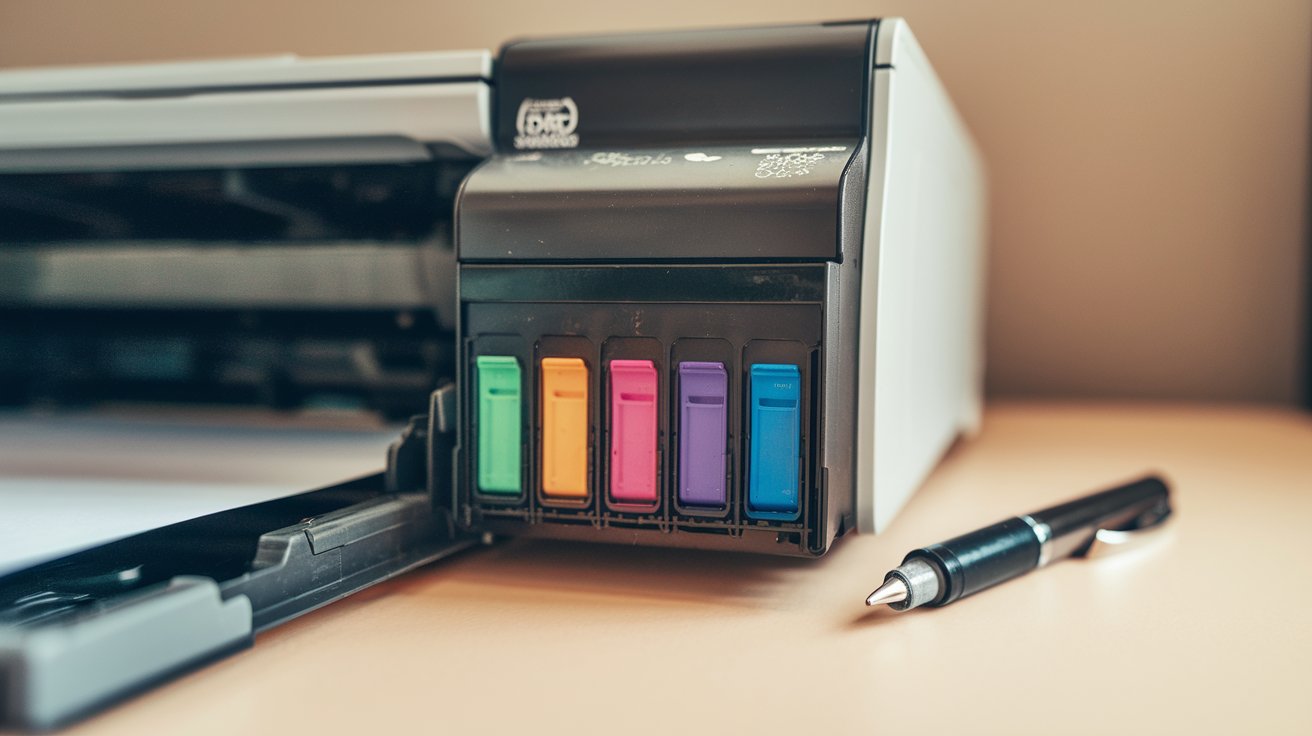
Printers with refillable ink tanks revolutionize the cost equation by eliminating traditional cartridges entirely. Epson EcoTank, Canon MegaTank, HP Smart Tank, and Brother INKvestment Tank models feature built-in reservoirs that users refill with bottled ink. Each bottle costs $8 to $15 and yields 2,500 to 7,500 pages depending on color and manufacturer. This reduces the cost per page to $0.002 to $0.01, representing savings of 80 to 95 percent compared to standard cartridge systems. While these printers cost $200 to $500 upfront in the United States market for 2026, users who print 500 or more pages annually recover the investment within 12 to 24 months through ink savings alone.
Manufacturer Subscription Programs
Ink subscription programs offer convenience and cost predictability for moderate users willing to commit to manufacturer ecosystems. HP Instant Ink, Canon Auto-Replenishment, Epson ReadyPrint, and Brother Refresh services charge monthly fees based on page volume rather than cartridge purchases. Plans range from $0.99 for 10 pages monthly to $25.99 for 700 pages in 2026, with unused pages rolling over to subsequent months. The printer monitors ink levels and automatically ships replacement cartridges before depletion. These programs reduce per-page costs by 30 to 50 percent for users who stay within plan limits, though exceeding allocations triggers additional fees of $1 per 10 to 15 extra pages.
Draft Mode and Color Limiting Techniques
Adjusting print settings conserves ink without requiring equipment changes or subscription commitments. Draft or fast mode reduces ink coverage by 25 to 40 percent while maintaining readability for internal documents, meeting notes, and reference materials. Grayscale printing eliminates color cartridge usage entirely, extending the life of expensive cyan, magenta, and yellow inks for documents that don’t require color output. In 2026, most printer software allows users to set draft mode and grayscale as defaults, with options to override for specific jobs requiring presentation quality. These simple adjustments extend cartridge life by 30 to 50 percent for typical office printing in the United States, translating to annual savings of $100 to $300 for moderate users.
Laser Printer Alternatives
Switching to laser printers eliminates liquid ink costs entirely by using toner powder cartridges with dramatically different economics. Laser toner cartridges cost $40 to $150 but yield 1,500 to 10,000 pages depending on capacity and printer model. This reduces the cost per page to $0.02 to $0.06 for black and white printing, with color laser printing ranging from $0.08 to $0.15 per page. Entry-level monochrome laser printers cost $100 to $250 in 2026, while color models range from $200 to $600. For users printing primarily text documents exceeding 300 pages monthly, laser technology provides superior long-term value despite higher upfront equipment costs. Businesses and home offices across the United States increasingly adopt laser printers as total cost analysis reveals five-year savings of $800 to $2,000 compared to inkjet alternatives.
Third-Party Compatible Supplies
Using third-party cartridges reduces costs by 40 to 75 percent compared to brand-name options, though this approach involves trade-offs worth understanding. Compatible cartridges from companies like LD Products, E-Z Ink, and Valuetoner cost $8 to $20 for sets that would retail for $40 to $80 from original manufacturers. Quality varies significantly among suppliers, with premium third-party brands delivering comparable results to OEM cartridges while budget options sometimes produce inferior color accuracy, inconsistent coverage, or premature failure. In 2026, most third-party cartridges work reliably in printers despite manufacturer warnings, though using them may void warranties on newer devices. Smart chips in genuine cartridges sometimes create compatibility issues with refilled or remanufactured alternatives, requiring chip resetters or firmware workarounds for some printer models in the United States market.
Comparing New Printer Costs to Replacement Ink
The economics of buying a new printer versus replacing ink cartridges creates a perverse incentive that baffles consumers but makes perfect sense within the razor blade business model. In 2026, basic inkjet printers bundled with starter cartridges retail for $30 to $60, while replacement cartridge sets cost $40 to $80. This pricing structure sometimes makes purchasing an entirely new printer cheaper than buying ink for an existing device, leading to wasteful consumption patterns and environmental concerns across the United States. However, starter cartridges contain only 20 to 30 percent of the ink volume found in standard replacements, yielding approximately 50 to 100 pages before requiring full-price cartridges.
This apparent bargain creates a false economy that increases long-term costs and environmental impact. Consumers who repeatedly purchase new printers instead of ink accumulate electronic waste while still facing cartridge replacement after the starter ink depletes. Manufacturers intentionally price entry-level printers below cost specifically to acquire new customers for their profitable consumables business. The strategy proves so effective that approximately 15 to 20 percent of inkjet printer buyers in the United States never purchase replacement cartridges, instead discarding devices after starter ink runs out. Breaking this cycle requires calculating total cost of ownership over 12 to 36 months rather than focusing exclusively on immediate expenses when making printer and ink purchasing decisions.
Understanding Brand-Specific Ink Requirements
Each printer brand maintains strict control over compatible cartridge specifications, creating distinct ecosystems with varying cost structures and flexibility. HP printers dominate United States market share at approximately 38 percent in 2026, followed by Canon at 22 percent, Epson at 18 percent, and Brother at 15 percent. Each manufacturer designs proprietary cartridge interfaces, chip authentication systems, and ink formulations that prevent cross-brand compatibility. HP cartridges won’t work in Canon printers, Epson ink tanks require Epson-specific bottles, and Brother devices reject non-Brother supplies through firmware authentication protocols increasingly common across all major brands.
This brand-specific approach extends beyond physical cartridge design to include chemical formulations optimized for each company’s printhead technology. HP thermal inkjet systems heat ink to create bubbles that propel droplets onto paper, while Epson piezoelectric printheads use crystal vibrations to eject ink without heat. These different mechanisms require distinct ink viscosity, surface tension, and chemical properties. Using incorrect formulations can damage printheads, void warranties, and produce substandard print quality. In 2026, major manufacturers actively combat third-party supplies through firmware updates that detect and reject non-genuine cartridges, forcing consumers deeper into proprietary ecosystems regardless of cost preferences or environmental concerns.
The Environmental Impact of Expensive Ink
The high cost of printer ink creates significant environmental consequences extending far beyond financial considerations. Americans discard approximately 375 million ink and toner cartridges annually, with only 30 percent entering recycling programs despite widespread availability. The remaining 262 million cartridges end up in landfills where plastic components require 400 to 1,000 years to decompose, while residual ink contaminates soil and groundwater. Each cartridge contains 2.5 ounces of plastic, 1.5 ounces of metal, and trace amounts of toxic chemicals including heavy metals and volatile organic compounds used in ink formulations.
The pricing structure encouraging new printer purchases over cartridge replacement amplifies environmental damage. Complete printer devices contain circuit boards, motors, plastic housings, power supplies, and various electronic components classified as e-waste requiring specialized recycling. In 2026, only 17 percent of discarded printers in the United States enter proper e-waste recycling channels, with the remainder contributing to the 6.9 million tons of electronic waste Americans generate annually. Manufacturers acknowledge these environmental costs but continue prioritizing profit margins over sustainability, though refillable tank systems and third-party remanufacturing programs offer more ecologically responsible alternatives for environmentally conscious consumers willing to navigate proprietary restrictions and potential warranty complications.
Future Trends in Printer Ink Pricing
The printer ink market faces evolving pressures from regulatory scrutiny, consumer awareness, and technological innovation in 2026. The Federal Trade Commission continues investigating printer manufacturers for anticompetitive practices related to firmware updates that disable third-party cartridges and subscription programs that lock consumers into long-term commitments. Several class-action lawsuits filed in United States federal courts challenge the legality of remote printer disabling and artificial ink level reporting that prompts premature cartridge replacement. These legal and regulatory pressures may eventually force more transparent pricing and reduce proprietary restrictions limiting consumer choice.
Technological advances in refillable ink systems and subscription models gradually shift market dynamics away from traditional cartridge economics. Tank-based printers represented 28 percent of inkjet sales in the United States during 2025, up from just 12 percent in 2022, indicating growing consumer preference for lower per-page costs despite higher upfront equipment prices. Manufacturers respond by expanding tank-based product lines while simultaneously developing new cartridge technologies and subscription incentives to maintain consumables revenue. The tension between these competing strategies will shape ink pricing through 2030, with market forces and regulatory intervention potentially moderating the extreme markup percentages that have characterized the industry for decades.
Related video about why is printer ink so expensive
This video complements the article information with a practical visual demonstration.
Questions & Answers
Is it cheaper to buy ink or a new printer?
Buying a new printer sometimes costs less upfront than replacement ink cartridges, with basic models retailing for $30 to $60 versus cartridge sets costing $40 to $80 in 2026. However, new printers include only starter cartridges containing 20 to 30 percent of standard ink volume, yielding just 50 to 100 pages. This creates a false economy where consumers face full cartridge costs after minimal printing. Calculating total cost over 12 to 36 months reveals that purchasing quality replacement cartridges or switching to high-yield options remains more economical than repeatedly buying new printers despite the counterintuitive pricing structure.
Is it okay to use off-brand ink for my HP printer?
Using off-brand or third-party ink cartridges in HP printers functions reliably in most cases, reducing costs by 40 to 75 percent compared to genuine HP supplies. However, several considerations apply in 2026. HP firmware updates occasionally detect and reject non-genuine cartridges, requiring manual overrides or firmware rollbacks. Using third-party ink may void printer warranties on devices less than one year old. Quality varies significantly among suppliers, with premium compatible brands delivering results comparable to OEM cartridges while budget options sometimes produce inferior color accuracy or premature failure. For out-of-warranty printers, reputable third-party cartridges offer substantial savings with minimal risk.
How much is a gallon of printer ink worth?
A gallon of branded printer ink would theoretically cost between $9,600 and $15,360 based on 2026 retail cartridge pricing in the United States, making it substantially more expensive than gold, champagne, or premium perfume. This calculation multiplies per-cartridge prices across the 128 ounces in a gallon, though manufacturers never sell ink in such quantities to consumers. The extreme valuation reflects markup percentages ranging from 300 to 6,000 percent over manufacturing costs. Actual ink production costs approximately $75 to $120 per gallon including raw materials, while the complex chemical formulations and proprietary technology enable pricing disconnected from production expenses within the captive cartridge replacement market.
Why is printer ink the most expensive liquid?
Printer ink ranks among the world’s most expensive liquids due to the razor blade business model where manufacturers sell printers at or below cost, then recover losses through proprietary replacement cartridges. The captive market created by brand-specific cartridge designs enables pricing disconnected from manufacturing costs. While actual ink production costs $0.23 to $0.50 per cartridge in raw materials, retail prices range from $15 to $60 representing markup percentages of 300 to 6,000 percent. Intellectual property protections, proprietary chip technology, and complex chemical formulations justify higher prices, though the fundamental driver remains the profitable consumables business model generating 60 to 70 percent of manufacturer revenue in 2026.
Is printer ink more expensive than gold?
Yes, printer ink costs substantially more than gold by volume in 2026. Branded printer ink retails for approximately $75 to $120 per ounce based on cartridge pricing, while gold trades at roughly $60 per ounce. This makes printer ink 25 to 100 percent more expensive than gold depending on the specific cartridge and brand. The comparison highlights how proprietary business models and captive replacement markets enable pricing bearing little relationship to production costs. While gold derives value from scarcity and material properties, printer ink pricing reflects controlled distribution, intellectual property protections, and the razor blade strategy where manufacturers recoup printer losses through expensive consumables purchased repeatedly throughout device lifespan.
Is printer ink expensive to make?
No, printer ink remains inexpensive to manufacture despite premium retail pricing. Production costs range from $0.23 to $0.50 per cartridge for raw materials including pigments, solvents, resins, and proprietary additives in 2026. Adding plastic housing, chip technology, and packaging increases total manufacturing costs to $2.00 to $3.50 per cartridge unit. These same cartridges retail for $15 to $60, representing markup percentages of 300 to 6,000 percent. Manufacturers justify higher prices by citing research and development expenses, quality control standards, and proprietary technology investments. However, the fundamental driver remains the profitable razor blade business model rather than actual production costs, enabling pricing disconnected from manufacturing expenses within captive replacement markets.
| Cost-Saving Strategy | Potential Savings | Best For |
|---|---|---|
| High-Yield Cartridges | 35-60% cost per page reduction | Users printing 30+ pages monthly |
| Refillable Ink Tank Systems | 80-95% versus standard cartridges | High-volume users printing 500+ pages annually |
| Subscription Programs | 30-50% for moderate usage | Predictable monthly printing needs |
| Draft Mode Printing | 25-40% ink consumption reduction | Internal documents and reference materials |
| Laser Printer Switch | $800-$2,000 over five years | Text-heavy printing exceeding 300 pages monthly |
| Third-Party Cartridges | 40-75% versus brand-name supplies | Out-of-warranty printers with quality vendor research |